

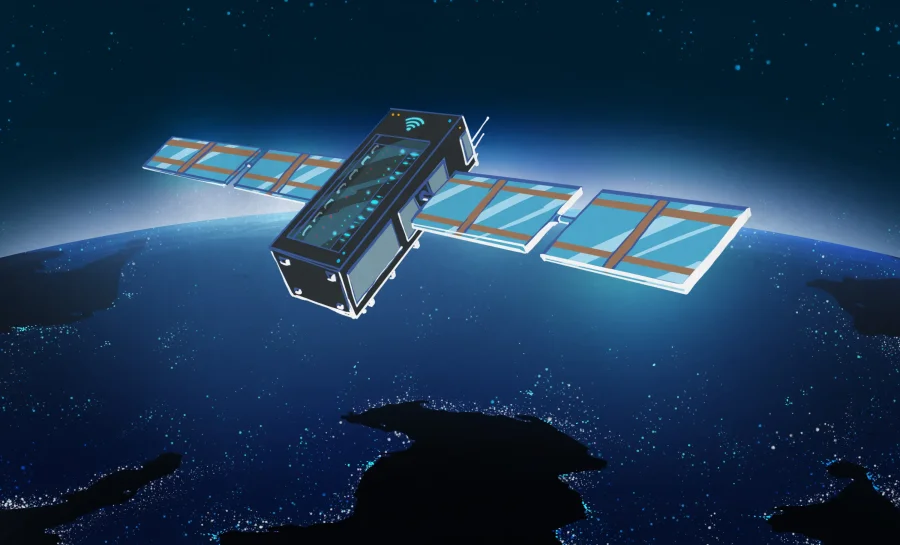

Ab computing ka kaam space se bhi hoga. Kepler Communications naam ki company ne duniya ka sabse bada orbital compute cluster launch kar diya hai. Is cluster mein 40 GPUs hain jo right now Earth ki orbit mein hain. Company ka kehna hai ki yeh ab officially business ke liye open hai. Sophia Space naam ki company is naye space-based computing service ka pehla customer bani hai.
Kya Hai Yeh Orbital Compute Cluster?
Seedhi baat hai, yeh ek aisa data center hai jo zameen par nahi, balki space mein hai. TechCrunch ke mutabiq, Kepler Communications ne 40 GPUs ko ek satellite ya kisi special payload ke andar orbit mein bheja hai. Yeh GPUs wahi hain jo aapke gaming PC ya AI servers mein hote hain, lekin yeh space ki harsh conditions mein kaam kar sakte hain. Inka kaam hoga data process karna, AI models run karna, aur scientific calculations karna — directly space se.
Kyun Hai Yeh Important? Space Computing Race Shuru
Kepler ka yeh step ek badi trend ka hissa hai. Ab tech companies space ko next frontier for computing maan rahi hain. Isi race mein Google bhi shamil hai. Data Center Dynamics ke report ke mutabiq, Google 'Project Suncatcher' naam ka plan bana raha hai. Is project ke tahat Google, Planet Labs ke saath milkar, apne TPU AI chips ko space mein bhejega. Unka idea hai 81 satellites ka cluster banane ka.
Space mein computing ke kuch clear faide hain:
- Zero Latency for Space Data: Agar koi satellite Mars ya Moon se data bhej raha hai, toh use process karne ke liye wahi par, space mein, computing power available hogi. Data ko Earth par bhejne aur phir result wapas bhejne ka time bachega.
- Unlimited Solar Power: Space mein sun ki energy limitlessly available hai, jisse power-hungry computers ko sustainable tarike se chalaya ja sakta hai.
- Earth se Independence: Critical missions ya deep space exploration ke liye, Earth par mojood data centers par dependence kam ho jayegi.
Pehla Customer Sophia Space Kya Karegi?
mezha.net ke report ke mutabiq, Sophia Space is orbital cluster ka pehla customer hai. Sophia Space likely space research, satellite data analysis, ya space-based simulations ke liye is computing power ka use karegi. Yeh show karta hai ki ab space agencies ya private space companies ko zameen par bade data centers build karne ki zaroorat nahi padegi. Woh space mein hi processing ka kaam karwa sakti hain.
Yeh koi akela project nahi hai. CNBC ne bataya tha ki Nvidia-backed Starcloud company ne bhi pichle saal space mein pehla AI model train kiya tha. Unhone bhi ek satellite mein powerful GPU bhej kar yeh kaam kiya tha.
Hamaari Baat: Future Computing Ki Foundation Space Mein Bani
Hamari nazar mein, Kepler ka yeh step sirf ek company ka announcement nahi hai. Yeh future computing ki direction dikha raha hai. Aane wale time mein, humara internet, AI, aur scientific research ka ek bada hissa space-based servers par depend karega.
Seedha faida yeh hoga ki jo apps ya services aaj cloud par chalti hain, kal woh "space cloud" par bhi chali sakti hain. Iska matlab faster global services, better weather predictions, aur instant satellite imagery analysis ho sakta hai.
Lekin ek bada sawaal banta hai: regulation ka. Space mein itna e-waste, radiation effects on hardware, aur security concerns kaun tackle karega? Agar aaj multiple companies apne-apne compute clusters space mein bhejne lagengi, toh orbit traffic jam ho jayega. Isliye, jis speed se yeh technology aa rahi hai, usi speed se global rules aur space treaties bhi update karne ki zaroorat hai.
Filhaal, Kepler aur Sophia Space ne jo partnership ki hai, woh ek proof-of-concept hai. Woh dikha rahe hain ki yeh technology possible hai. Ab dekhte hain, aane wale mahino mein aur kaun-si companies is race mein koodti hain.
Sources & References
- The largest orbital compute cluster is open for business — TechCrunch
- Kepler launches orbital computing tests with Sophia Space — mezha.net
- Project Suncatcher: Google to launch TPUs into orbit — Data Center Dynamics
- Nvidia-backed Starcloud trains first AI model in space — CNBC